




Latest Article

How to Split Night Feedings With Husband?
Stop just "sleeping when the baby sleeps." Create an effective parent sleep schedule with a newborn by intentionally splitting night feeding and care responsibilities with your partner.
Toddler Grinding Teeth? Here's What Every Parent Should Know
Toddler teeth grinding, or bruxism, is a common but concerning habit. This guide covers possible causes—like stress or teething—signs to watch for, and helpful strategies parents can use to manage and reduce the grinding.
Baby Grinding Teeth: Causes, Solutions & When to Worry
This article examines the causes of neonatal bruxism by investigating its links to teething and developmental issues as well as stress-related factors. This guide shows you everything about typical behaviors and uncommon symptoms, along with actions parents can take to ease their baby's pain and protect their teeth.
Discolored Baby Tooth: Causes, Remedies, and When to Seek Help
This guide examines the reasons behind tooth discoloration observed in baby teeth, with emphasis on both accidental bumps and developing tooth decay. The guide will teach you appropriate home treatments and protective measures, and suggest when dental visits are necessary. Understanding the differences in your child's teeth health begins when you notice their initial dental changes.
Why Do We Have Baby Teeth?
This article will discuss why baby teeth are so important and how to properly care for them in order to have a healthy-looking smile for your child in the long term. From helping small ones explore and communicate clearly to laying a basis for robust, wholesome grownup enamel, baby enamel is a significant part of a child's development.
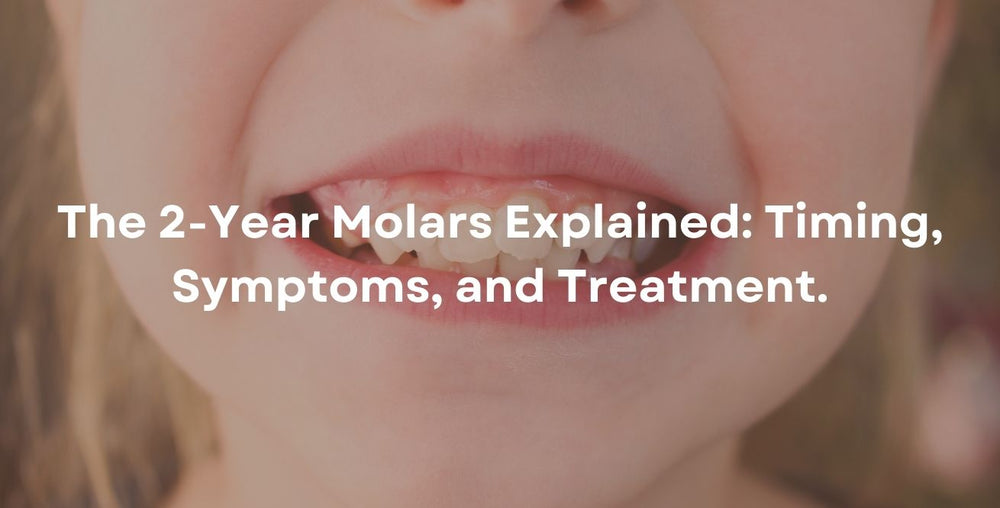
The 2-Year Molars Explained: Timing, Symptoms, and Treatment
The 2-year molar stage can be challenging for both toddlers and parents. This guide explains common symptoms, provides practical tips to ease discomfort, and offers guidance on managing teething-related issues with confidence and care.
Why Is My 3-Month-Old Chewing on Their Hands? Teething, Hunger, or Normal Development
Baby chewing on hands is a typical behavior in early development. It can signal teething, hunger, or comfort-seeking. Understanding the cause helps parents support their baby’s needs and recognize when professional advice is necessary.

How to Help My Sleep Pressure Baby Fall Asleep Easier?
Why sleep stress in babies affects their sleeping patterns. Get these practical tips to improve your baby's sleep, create a soothing environment, and reduce the effects of sleep stress.
Can Teething Cause Decreased Appetite? Signs to Watch For
Many parents ask, "Can teething cause decreased appetite?" This article explains how gum pain and irritability during teething can lead to reduced eating, plus tips to help your baby stay nourished and comfortable.
EXPERT Spotlight


Popular Pregnancy & Postpartum Tools

Baby Name Generator
A name is the first gift to your beloved baby. Find the perfect name for your baby

Pregnancy Weight Gain Calculator
Track your pregnancy weight gain and get personalized recommendations based on your pre-pregnancy BMI.

Chinese Gender Prediction Calculator
Legend has it that this ancient Chinese gender prediction chart was discovered in a royal tomb near Beijing over 700 years ago.

Due Date Calculator
Using our Pregnancy Due Date Calculator, you can estimate your due date based on your last menstrual period, conception date, IVF transfer, or ultrasound.